The Necessity of Arborist Services for Optimal Tree Health: Examine Their Range of Expertise
Hiring an arborist is vital for proper tree similar resource maintenance. Their specific expertise permits precise evaluations of tree well-being, controlling infestations, and correct trimming methods. Arborists also consider environmental factors, customizing management strategies that guarantee the longevity and safety of trees. Knowing the breadth of services arborists provide is key to improving the vitality of your landscape. Exploring these expert services reveals how vital their involvement is in keeping your green space flourishing.
Defining the Arborist's Function
Many people mistakenly believe tree care is straightforward, understanding the role of an arborist reveals a profession that is significantly broader than basic maintenance. Professional arborists are expert technicians who specialize in tree well-being and security. They are experts at recognizing tree sickness, understanding pest management, and ensuring ideal cutting practices to guarantee ideal growth.
Arborists furthermore assess surrounding elements that influence the vitality of trees, such as the composition of the ground and surrounding vegetation. A significant part of their job is evaluating risk, especially in urban areas where trees might create risks to structures and individuals. Equipped with knowledge of tree biology and local regulations, arborists serve an essential function in encouraging environmentally sound land management. Utilizing modern technology and skills, they help keep up the attractive look and natural equilibrium of green spaces. As a result, their involvement is critical for the future vitality and preservation of trees.
The Value of Arborist Inspections
When trees are assessed by a professional arborist, the benefits are greater than just looking at the trees. A thorough tree assessment includes assessing the total vitality, physical soundness, and possible dangers related to the tree. Arborists employ specific equipment and methods to pinpoint issues including ailments, insect invasions, and internal defects that cannot be seen by the average person.
Furthermore, expert evaluations offer key information about the unique needs of your trees, providing personalized treatment that encourages lasting well-being. Taking this preventative measure works to avert issues down the line, lessening the possibility of high-cost extraction or structural damage. Furthermore, accurate assessments improve the well-being of the local area, as arborists can offer expert suggestions for maintenance or intervention. Overall, funding a professional tree assessment boosts the durability and vitality of trees, supporting a thriving ecosystem.
Safe and Effective Arboricultural Trimming Practices
Proper pruning is crucial for preserving tree vitality and appearance. Arborists employ specialized methods to ensure cuts are performed without risk and productively, minimizing damage to the tree. Knowing these practices can significantly improve the durability and strength of trees in all settings.
The Value of Correct Trimming
Proper tree trimming plays an essential role in preserving the vitality and aesthetics of trees. Appropriate cutting practices help remove dead or diseased branches, enabling increased ventilation and sun exposure, which is key to the complete vigor of the tree. Furthermore, careful trimming can improve the tree's form, reducing the risk of damage during storms. Visually speaking, well-pruned trees contribute to landscape beauty, creating a pleasing aesthetic in home and business environments (Florence Arborist). Furthermore, proper pruning promotes robust development and reduces the chance of pest infestations. By employing the expertise of an arborist, tree owners can ensure their trees get the right care, finally boosting the lifespan and vitality in their plants
Practices for Risk-Free Cutting
Appropriate practices for risk-free cutting are essential for optimizing tree vitality and guaranteeing the security of both the tree and the person performing the work. Arborists emphasize the importance of utilizing sterile, precise equipment to make precise cuts, which reduces the risk of injury and harm to the tree. Correct trimming methods involve the triple-cut technique for thicker limbs, which prevents tearing of the bark. It is necessary as well to prune during the tree's dormant season to limit pressure. Professionals suggest eliminating less than a quarter of a tree’s foliage at once to avoid shock. Moreover, knowing how trees grow and refraining from making cuts near the base preserves the tree's structural soundness and encourages vigorous new growth.
Identifying Tree Diseases and Treatment Plans
Diagnosing tree diseases requires a sharp observation and a systematic approach, as each sickness can exhibit specific indicators. Professional arborists employ their skill to pinpoint particular problems such as fungal infections, bacterial diseases, and harmful pest activity. They start by inspecting leaves, outer layer, and root systems, searching for color changes, shriveling, or atypical growth habits that suggest a difficulty
(Florence Arborist)After a diagnosis is reached, arborists recommend appropriate treatment options suited precisely to the ailment. The care plan might encompass spraying anti-fungal or anti-insect agents, using correct irrigation methods, or adjusting soil pH levels. In addition, they may advise on the importance of ensuring comprehensive tree vitality through proper nutrition and care
Essential Nature of Tree Extraction and Stump Elimination
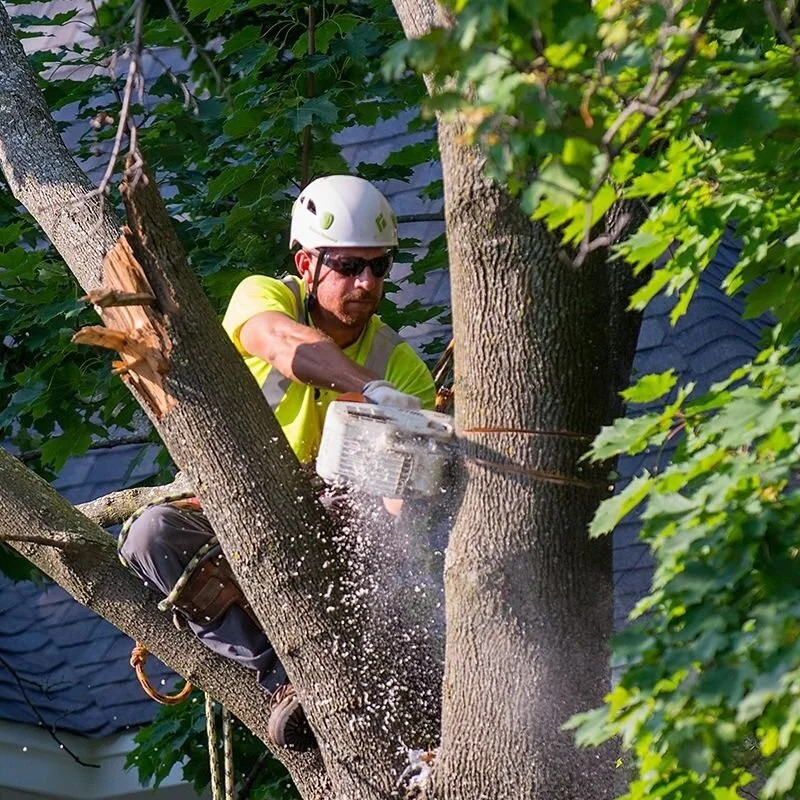
The extraction of trees and stumps is crucial for maintaining safety in landscaped areas, as compromised or hazardous trees can pose significant hazards. Additionally, grinding out stumps boosts the beauty of the landscape and avoiding possible bug invasions. Recognizing these elements highlights the necessity for employing a certified tree specialist for successful tree management.
Safety Risks Assessment
Performing a comprehensive safety evaluation is crucial when considering tree removal and stump grinding. This review determines specific risks, such as compromised boughs, proximity to structures, and subsurface infrastructure. Tree specialists employ their knowledge to figure out the most secure method for taking down trees, ensuring the lowest possible danger to property and individuals. They assess the tree's condition, nearby area, and climatic factors, which collectively impact the risk during the removal process. In addition, eliminating the stump introduces separate hazards, including the potential for injury from equipment or debris. An extensive safety assessment lessens the peril, allowing for a more efficient and safe execution of tree care services. Hiring an expert tree specialist guarantees that all safety protocols are followed diligently.
Enhancing Your Landscape's Aesthetics
While maintaining a beautiful landscape increases the value and attractiveness of your property, the presence of dead or overgrown trees can detract from its overall aesthetic. Tree removal is often crucial for revitalizing outdoor spaces, leading to improved light penetration and healthier development of surrounding flora. On top of that, stumps that look bad can clutter the view and are a danger for tripping. The process of stump grinding offers a remedy, by efficiently getting rid of the residue of removed trees and ensuring the landscape looks uniform. If you engage an arborist, clients can be certain that tree removal and stump grinding will be done both safely and effectively. Such professional skill not only enhances visual appeal but also fosters a healthier ecosystem for current vegetation, ultimately leading to a more inviting and attractive outdoor space.
How to Prevent Pest Infestations
An inviting outdoor space can rapidly be damaged by the presence of dead or decaying trees, which are common havens for pest reproduction. These infestations can lead to significant damage, affecting not only the trees but also to surrounding plants and structures. An arborist is vital for spotting trees that pose a threat and assessing whether they need to be taken down. Furthermore, stump grinding removes possible pest environments left by uprooted trees, ensuring the landscape is better protected. Consistent inspections and proactive steps, such as tree removal and stump grinding, help maintain a healthy ecosystem, avoiding expensive pest problems. In the end, an experienced arborist ensures that your outdoor areas stay lively and free of pests, safeguarding both aesthetic and environmental integrity.
Professional Guidance on Tree Location and Landscape Planning
Proper tree placement greatly boosts the visual attractiveness and the environmental equilibrium of the landscape. Arborists provide expert advice on selecting tree species that grow well in certain conditions, by evaluating factors including sunlight, climate, and soil type. Arborists highlight the need for proper spacing, so that trees have sufficient room to mature preventing competition for necessary resources.
Furthermore, arborists assess the overall design of a landscape, recommending tree placement that complements existing structures and foliage. This strategic positioning doesn't just enhance the visual balance but also helps biodiversity thrive by bringing in wildlife.
Moreover, they suggest how to position trees to form organic wind barriers and provide shade, improving the energy performance for neighboring properties. Drawing on their skills, landowners can foster environments that are aesthetically pleasing yet environmentally sound, resulting in lasting contentment and better care for the environment.
Ongoing Maintenance and Care for Arboreal Well-being

Ongoing maintenance is crucial for securing the prolonged well-being and strength of trees in any landscape. Certified arborists deliver targeted services that include regular inspections, pruning, and pest management, with the goal of fostering perfect growth and preventing disease. By keeping track of tree vitality and ground composition, they are able to spot looming problems prior to them worsening, saving homeowners time and money.
Regular trimming assists in preserving the tree's form and eliminating diseased or decaying wood, facilitating improved airflow and light penetration. Arborists also provide insights on appropriate hydration practices and mulching practices that boost the soil's richness. Additionally, they can recommend fertilization schedules customized for particular types of trees, ensuring they receive the necessary nutrients.
Frequently Asked Questions
How should I go about picking the right tree specialist for My Specific Requirements?
To choose the right arborist, you must confirm their certification, review their expertise, read reviews, and ask for estimates. Additionally, discussing specific needs confirms the hired specialist is consistent with personal expectations and tree care requirements.
Which Credentials Should I Seek in a Tree Specialist?
In choosing a tree care professional, it is wise to find accreditations such as ISA (International Society of Arboriculture certification), TCIA (Tree Care Industry Association accreditation), and state registration, confirming the expert possesses the required knowledge and skill set.
How frequently do I need to employ an arborist for Arboriculture Services?
An arborist should be hired at least once a year for regular care, however, increased visits could be needed for younger trees or those with specific health concerns, ensuring proper growth and longevity.
Are Tree Specialists Able to Assist With Legal Matters Concerning Trees?
Yes, arborists can assist with tree-related legal issues (Florence Arborist). They provide expert assessments, documentation, and testimony regarding tree health, safety, and maintenance, helping resolve disputes related to property lines, liability, and local regulations effectively
What Can I Expect During the First Meeting With a Certified Tree Specialist?
During this initial assessment, the arborist evaluates the condition of the tree, addresses your issues, provides recommendations, and details necessary work. You can anticipate a detailed inspection and receive specialized recommendations customized for their unique tree care requirements.